
Insight, outlook, overview, perspective.
In order not to lose sight of the goal of a fossil decarbonized Earth, we are focusing on the major decarbonization potentials that lie in particular in the energy sector, industry, mobility, the real estate sector, agriculture and the circular economy.
Dive with us into the depths of solutions towards the Green Economy: discover ways to green transformation - with white papers, analyses, studies, podcasts and recommendations for action from us or our partners.
With our international team of experts consisting of political insiders, journalists, marketing specialists, creative designers, scientists, entrepreneurs, engineers, lawyers as well as PR professionals, we keep everything in view for you.

HEAT: Technologies for a climate-resilient Future
As we are already feeling the effects today, for example, in the form of more extreme weather events, it is obvious that there is a great need for climate change adaptation, which will definitely become even greater as time passes. The demand for adaptation technologies is not only secured in the long term, but will continue to increase due to climate dynamics, which will also bring a corresponding business opportunity, as adaptation to climate change will be a project for the coming decades. However, with a funding gap of around EUR 1 trillion p.a., the climate adaptation sector is massively underfunded.
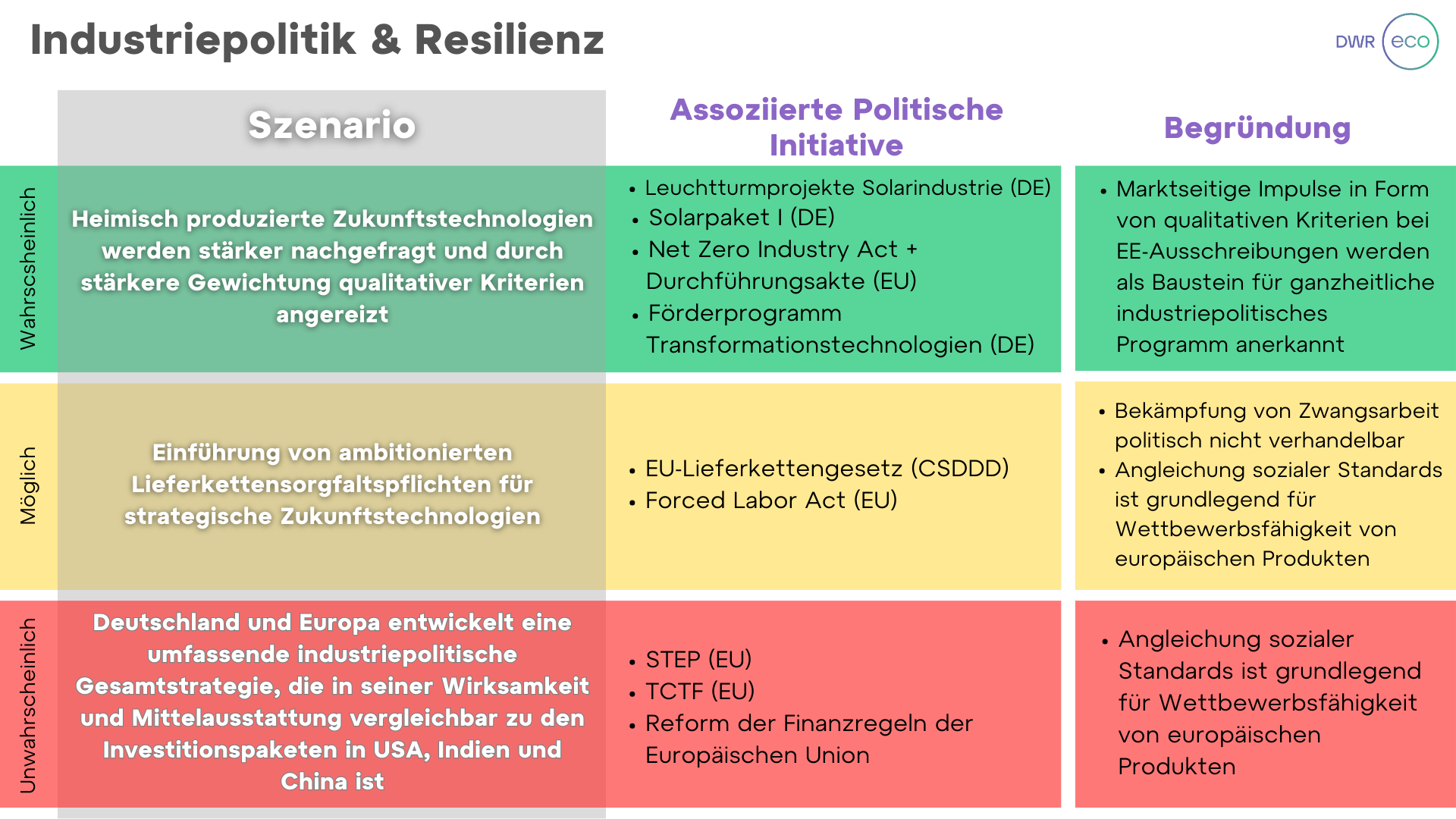
Significant cleantech trends 2024
Despite the upcoming European elections in June 2024, there are some important political initiatives on the agenda this year that will have a decisive influence on the development of many cleantech applications. We have taken a closer look at the initiatives at national and European level and assessed which scenarios are likely or unlikely in the sectors.
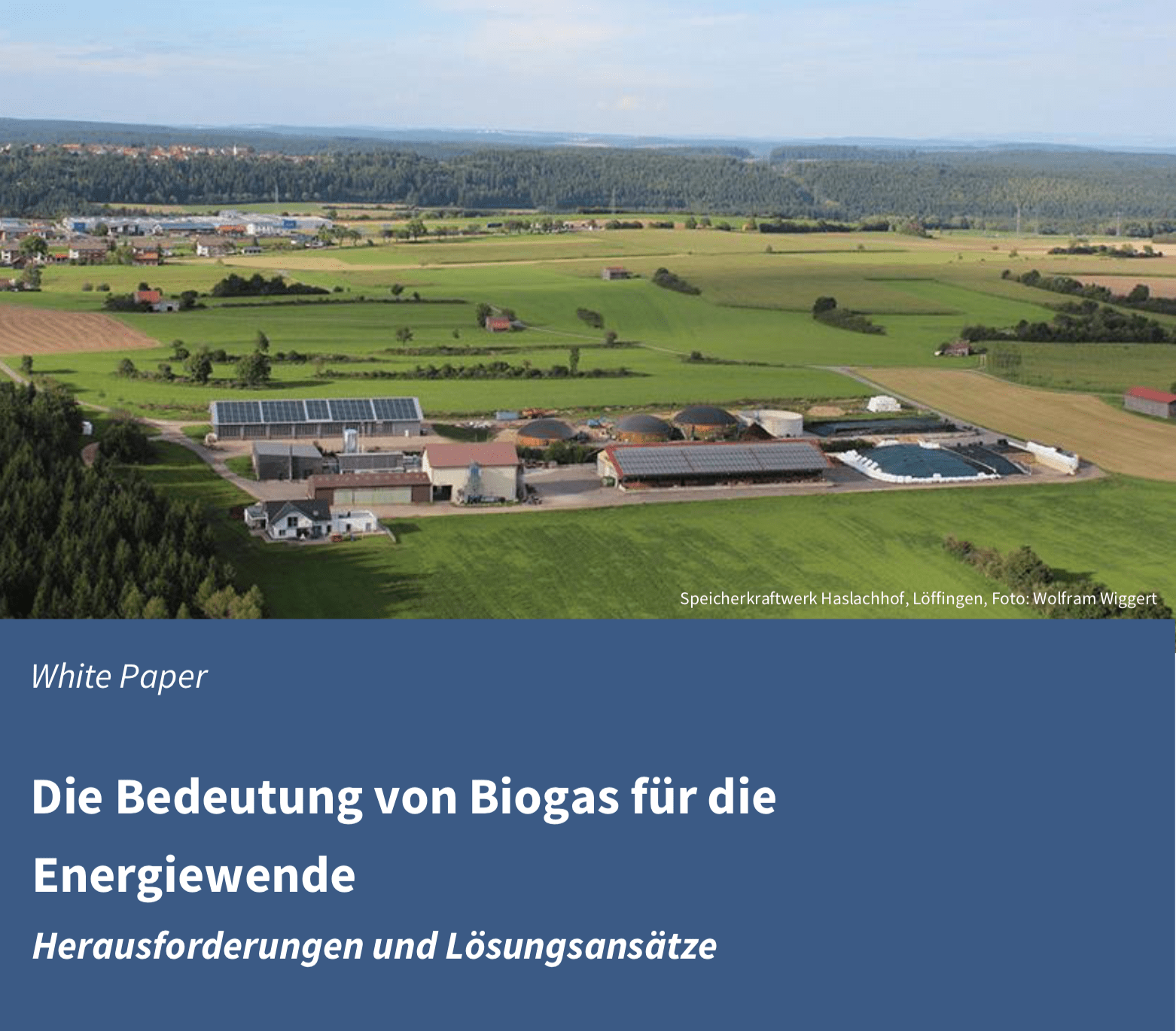
The importance of biogas for the energy transition: Challenges and solutions
The German electricity and heating sector is facing significant changes. On the one hand, renewable, volatile generation plants must be integrated and, on the other, fossil fuels must be decommissioned. In particular, flexible generation plants must ensure a reliable supply during dark doldrums.
In the joint paper with the flex experts, we show that the potential of biogas has so far been significantly underestimated, that it can contribute to reducing the costs of the energy transition in local storage power plants, to relieving the grid and to structural change in rural areas, while at the same time promoting nature conservation and the sustainability of agriculture.
Study by DWR eco shows German natural gas mix not compatible with climate targets
The International Institute for Sustainability Analysis and Strategies (IINAS) was commissioned by DWR eco GmbH to prepare a study that makes the emissions profile of the current and future natural gas mix in Germany more transparent and to reassess the role of methane in the national primary energy mix. The study concludes that the specific emissions of the German natural gas mix will remain unchanged until 2030 according to the current status. The share of green gases such as hydrogen will also remain low in 2030 and will not be able to contribute to an improved emissions profile overall. The still significant primary energy share of natural gas (27%) is thus not compatible with the goal of climate neutrality formulated in the coalition agreement and a Paris-compatible emissions reduction path.
Short study on the role of biogas for a climate-neutral, 100 % renewable electricity system 2035
According to a G7 decision, Germany plans to completely decarbonize the electricity market by 2035. In this context, renewable energies such as wind and photovoltaics (PV) are to be expanded from 45% to 80% by 2030. Due to political efforts to be independent from Russian natural gas, gas-fired power plants were considered as flexible backup options for renewables. But due to an energy crisis, alternative flexible power generation options are now being explored. The possibility of making the existing biogas plant fleet more flexible has received little attention from lawmakers. A study examines the potential of biogas and biomethane to enable a secure, carbon-neutral and cost-effective electricity system. The study is by Energy2market GmbH, Wuppertal Institute for Climate, Environment, Energy gGmbH and DBFZ Deutsches Biomasseforschungszentrum gemeinnützige GmbH. The study also sheds light on the potential to replace natural gas with biogas and examines the requirements for the generation profile and flexibility of future biogas plants in the power system.
White Paper
Deep geothermal energy as the key to energy and supply security for the population and industry in Germany
The Russian war of aggression has highlighted the dependencies of European energy markets on imports and their weaknesses. There is great potential to replace fossil energy imports, especially in the heating and transport sectors. In the heat sector, which relies mainly on fossil natural gas, the need to mobilize domestic heat generation options is emphasized. A white paper by DWR eco explores the role of deep geothermal in decarbonizing the energy system and strengthening domestic supply chains.
To date, deep geothermal energy has been neglected in the federal government's plans to address potential natural gas shortages. The white paper proposes policies needed to unlock geothermal's potential, establish carbon-neutral supply chains, and incorporate them into short- and long-term planning.
Recommendations for Action to Promote Innovation and Entrepreneurship in the East German Coal Regions?
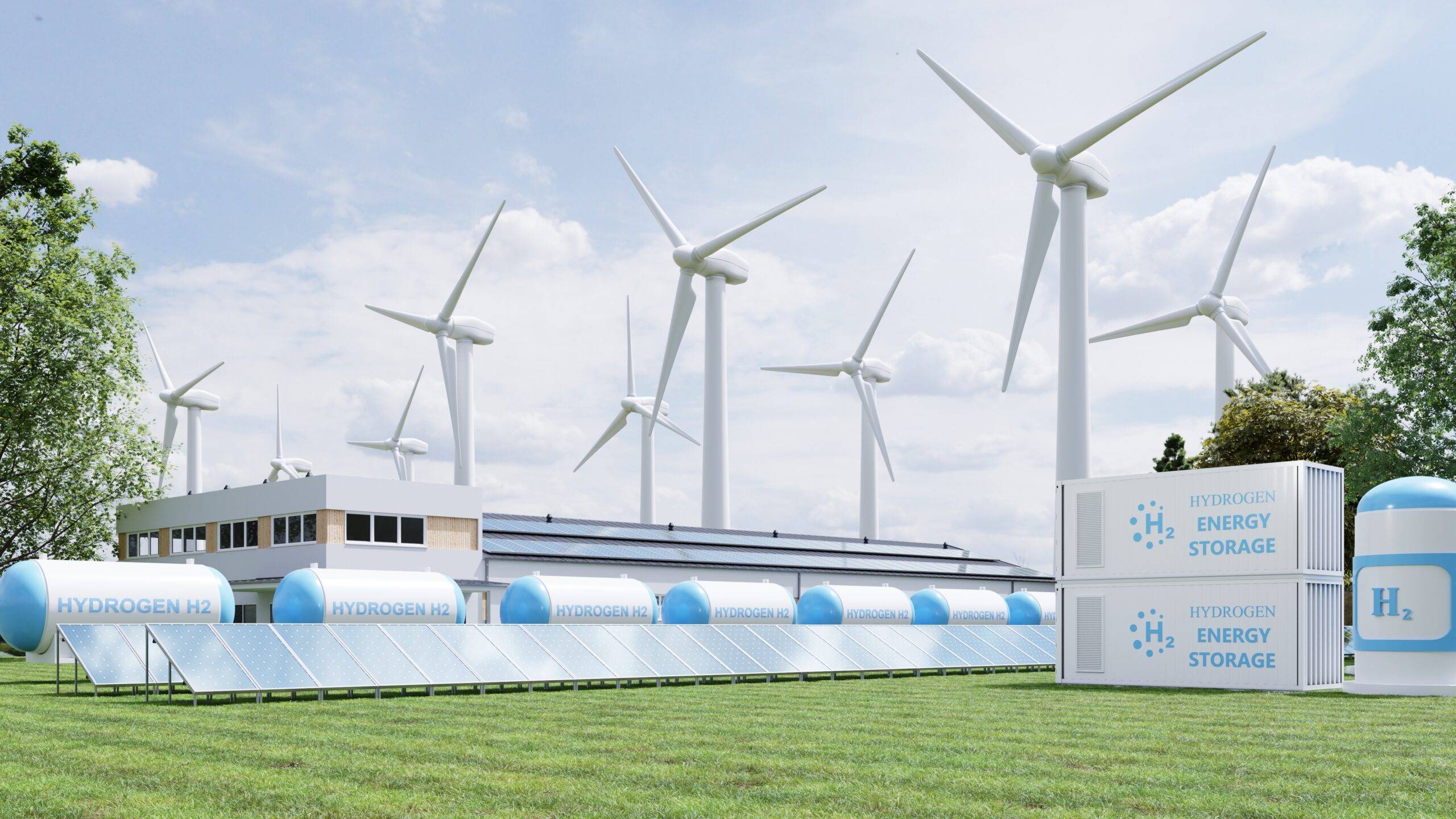
In the new report prepared jointly with EIT InnoEnergy and Climate-Kic, we have drawn up proposals for locating companies in the green hydrogen sector or in battery and automotive production. We were supported by representatives of Volkswagen AG, Skeleton Technologies, Siemens the Brandenburg University of Technology Cottbus.
Our studies focus on the question of how regional entrepreneurship can be stimulated by an accompanying funding regime and how innovations in the areas of climate protection, energy and the circular economy can be made marketable. 40 billion euros have been made available for the economic renewal of the affected regions.